
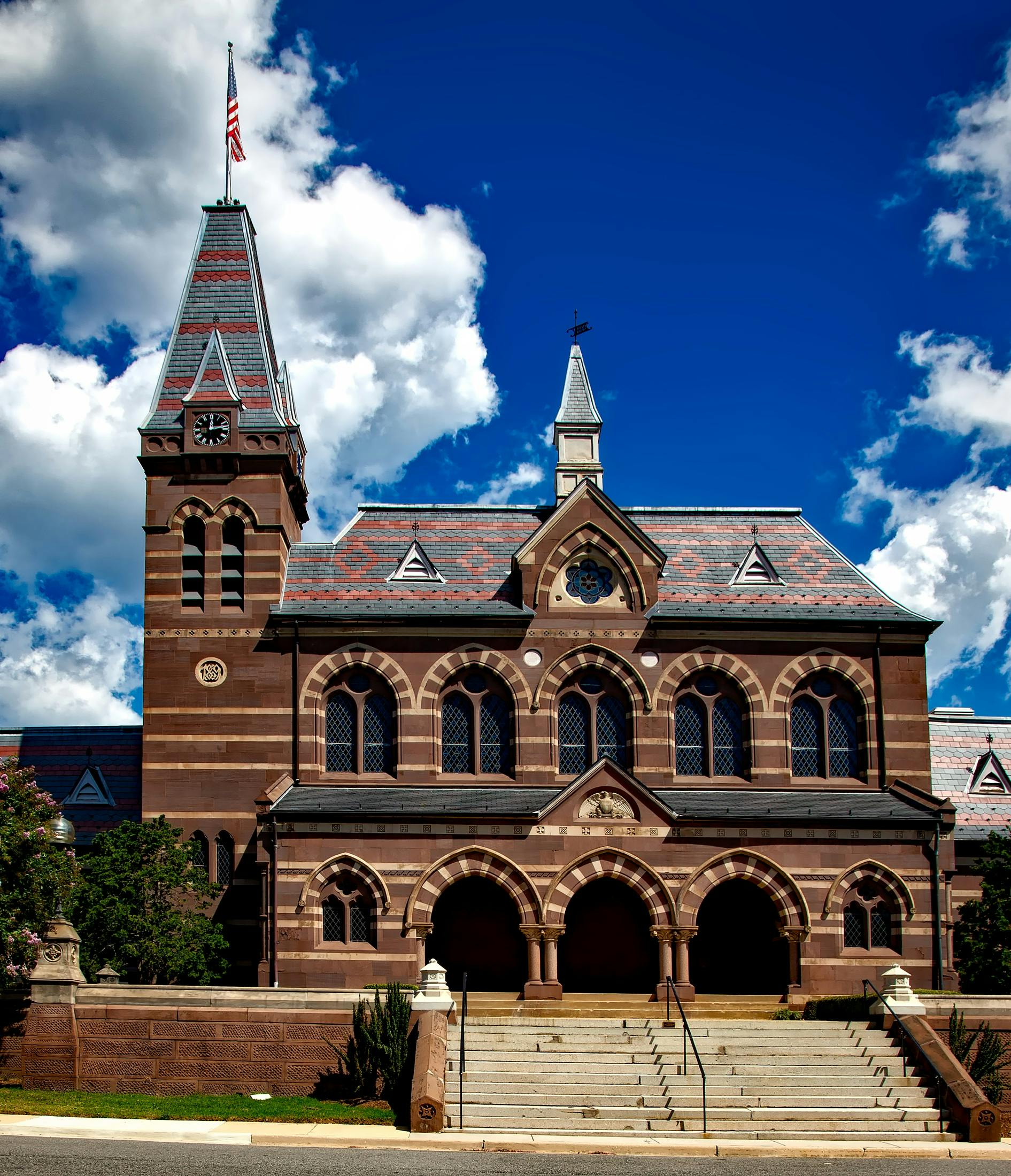
Stanford University Excellence and Innovation in one
As is the case with all things mighty and famous, there is history behind Stanford University’s name. Stanford University was initially called Leland Stanford Junior University. It was established in 1885 by Senator Leland Stanford who was the former Governor of California and a U.S. Senator.
Sad Demise
Senator Stanford had achieved huge success in the railroad business. However, he experienced sorrow on the personal front. The University was founded in memory of their only child, Leland Stanford Jr., who had passed away in 1879 due to typhoid at a tender age of 15.
Sprawling Campus
The University is spread in an area that is more than 8000 acres. It is located in a small university town called Stanford in Northern California. More precisely, Stanford is located in the Santa Clara Valley near Palo Alto and between San Jose and San Francisco.
Double Engine of Innovation
Stanford has given the world some of its greatest achievements like Apple and Google. Add names like Hewlett-Packard (HP), Nike, Sun Microsystems, Instagram, Snapchat, and Yahoo, and Stanford becomes a powerful force to be reckoned with. It has often been described as the fuel that drives the innovation engine not only in Silicon Valley but around the world.
Academic Infrastructure
40 academic departments, housed in various academic schools that enroll undergraduate and postgraduate students, and several professional schools, make up the core of the University. Stanford is currently organized into seven academic schools. The schools of Humanities and Sciences has 27 departments. The School of Engineering houses nine departments. The School of Earth, Energy & Environmental Sciences has four departments. All these schools have both postgraduate as well as undergraduate programs. The Schools of Law, Medicine, Education and Business only admit postgraduate students.
Super Competitive University
In 2011, Stanford created the first PhD program in stem cell science in the United
States. The
program is housed at Stanford Medical School. Undergraduate admissions also became more
selective at Stanford. The acceptance rate dropped from 13% for the class of 2004 to
5.04% for the
class of 2019, the lowest admit rate in the history of the University at that time. The
acceptance rate
for the class of 2028 is 3.6%.
It goes without saying that admission to Stanford
University is highly competitive regardless of the
field in which you wish to specialize. If Stanford happens to be on your dream target
map, it is time
for you to get in touch with Alphabet Education because we can not only help you
articulate a
winning admission strategy to possibly join the ranks of successful students at
Stanford, we can
also show you how you can win a scholarship for Stanford based on your academic record
and
profile.